Eye Tissue Donation Awareness Week: 7-13 September
It’s time to see the need and have the conversation.
New Zealand needs more local eye tissue donations to help the hundreds of people currently waiting for eye tissue transplants to restore their sight or eye function.
Donation is possible in more circumstances than many people may realise, as almost anyone aged 10 to 85 can be considered. The most important first step is to talk with your loved ones about your wishes.
This week - learn more, decide what you want, and talk to your whānau about becoming an eye tissue donor.
The facts about eye tissue donation
- At the end of 2025, more than 500 people were waiting for a corneal transplant to restore their vision. Many more people need donated sclera (the white part of the eye) to restore eye function after disease or trauma.
- Almost anyone aged 10 to 85 can be considered to donate eye tissue after death, regardless of where or how they die.
- One donor's corneas can restore sight for two people, while donated sclerae can help return normal eye function for as many as eight more.
- A 2026 New Zealand study found that 90% of participants would agree to donation on behalf of a loved one if offered, but only around 20% had discussed donation intentions with their loved ones.
- If you wish to donate after death, you should share your wishes with your family, and if applicable, your end-of-life care team.
Read the following Eye Tissue Donation stories:
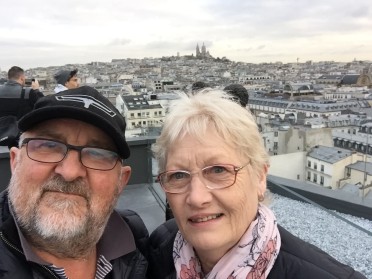
Jim's story: I would be blind without transplants.
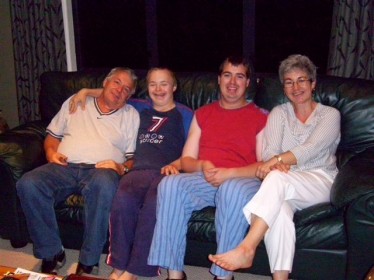
Geoff and Debbie's Story: The Power of Knowing Your Loved Ones' Wishes
Frequently asked questions about eye tissue donation
Who needs an eye tissue transplant in New Zealand?
Eye tissue is needed by people with corneal blindness, tumours, severe eye trauma, and degenerative eye conditions like keratoconus.
New Zealand has one of the highest rates of keratoconus globally, with around 25% of those affected eventually requiring a transplant to restore their sight. The condition is often diagnosed in childhood and disproportionately affects Māori and Pacific populations. Many of those waiting for a transplant are school-aged.
How many people can I help with my donation?
When you donate eye tissue, you gift two parts: the cornea, which is the clear front covering that focuses light, and the sclera, which is the white part of the eye.
Donated corneas are transplanted to restore vision for two people, and donated sclerae are transplanted in reconstructive surgery to restore normal eye function for as many as eight people.
How does the donation process work?
Eye tissue donation can be facilitated in hospitals, hospices and funeral services throughout New Zealand.
If you’d like to be a donor, you should speak with your family, and your medical or end-of-life care team if applicable, about your wishes.
After your death, your family will need to inform medical or nursing staff of your wish to donate. Staff will then reach out to donation specialists from Organ Donation New Zealand or the NZ National Eye Bank, who will assess whether your tissue is suitable for donation. The donation can happen up to 48 hours following death and takes around 30 minutes.
The recipient's identity will not be disclosed but your family may receive anonymous updates about the outcome of the transplant.
Can I donate even if I don't have perfect eyesight?
You can donate eye tissue even if you have poor eyesight, have had LASIK surgery, or have an eye condition like glaucoma, cataracts or retinopathy, as these conditions and treatments primarily affect other parts of the eye besides the cornea and sclera.
Can I donate if I have a health condition?
Most health conditions don't prevent you from donating eye tissue; you can usually donate even if you have diabetes, heart disease, or cancer. There are some exceptions, including conditions like hepatitis and HIV, that may prevent you from donating.
Will eye tissue donation disrupt the funeral or burial?
Eye tissue donation is a respectful process and it only takes around 30 minutes, so funeral arrangements do not need to be delayed. Great care is taken to ensure the person's appearance is unchanged, preserving the option of viewing and an open casket.