Peter’s full-circle gift of sight
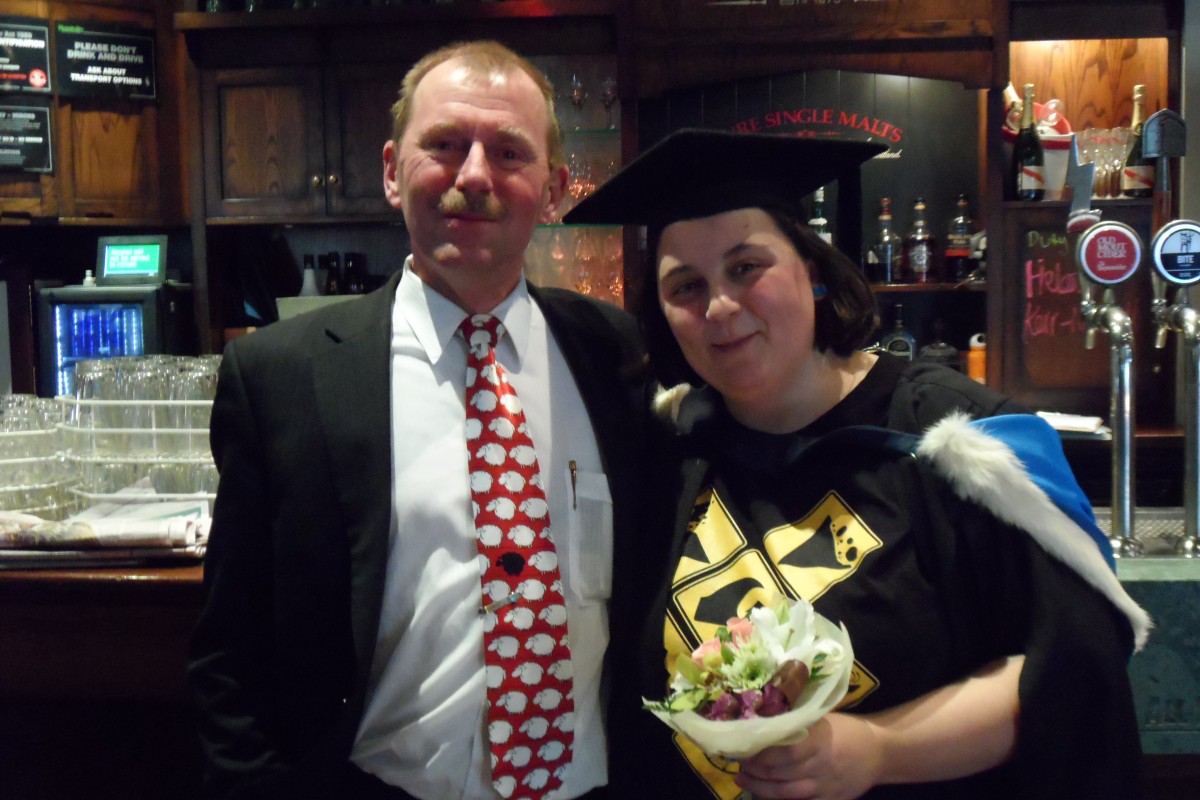
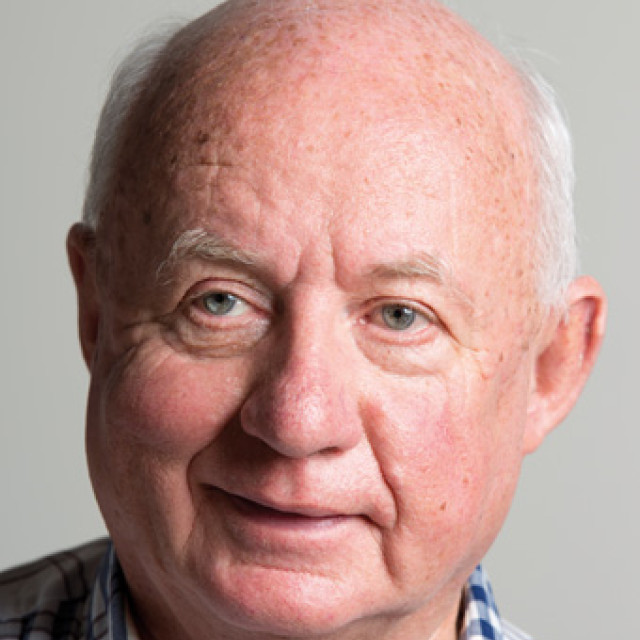
Felicity’s father Peter was just 25 years old when he had “a nasty run-in with a cricket ball”.
He was playing a game with his social team when the ball caught him on the side of the head, severely damaging his left cornea.
Peter navigated the next few months with vision loss in one eye before he was fortunate enough to receive a corneal graft, restoring his sight and helping him return to the activities he loved.
While he had initially delayed his engagement until his eye could be repaired, he went on to marry, and became a father soon after.
Growing up, Peter’s children never noticed a difference between his eyes. They knew the story of the cricket ball and the surgery that followed, but it never seemed remarkable to her at the time: “It was just Dad, and he got on with life the way he always did,” says Felicity.
And he really did get on with things. He was a volunteer firefighter, an avid sports fan, a busy home gardener, and he clocked up more than 50 years in the public service across his lifetime.
Friendly, sure of himself, and always the one helping someone else out.
“He was the kind of person you'd find at the end of the tunnel watching the rugby at Athletic Park, or at the Basin Reserve for a full five-day test match. Everyone knew that was Pete,” says Felicity.
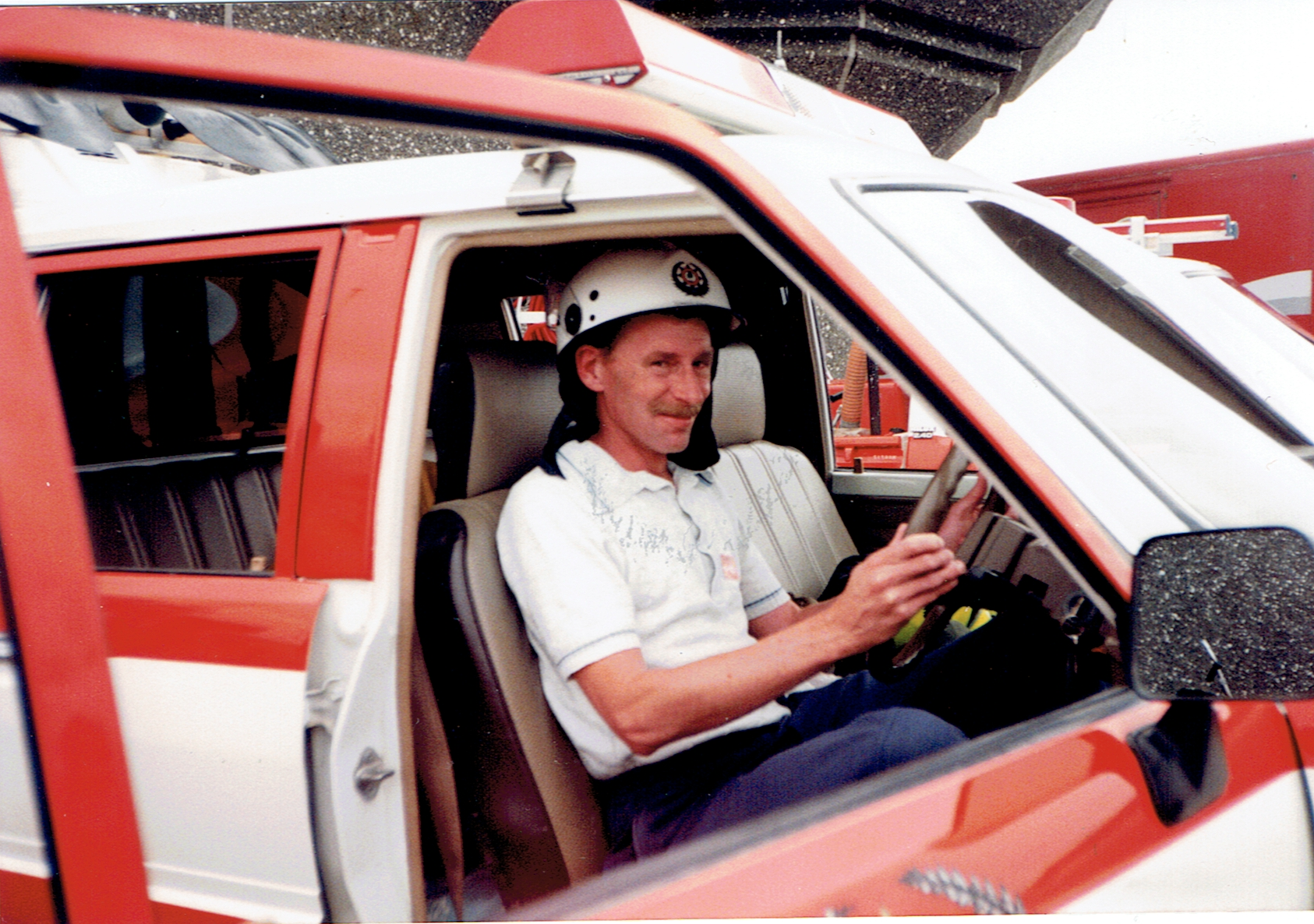
Years on, his corneal graft did eventually start to fail, and a blind spot crept in, but he kept doing everything he'd always done.
Then, some 40 years on from the cricket ball, Peter had a sudden collapse. Pancreatitis had set off a cascade inside his body, and within two days, he was in the ICU with multiple organ failure.
When his family were approached about organ and tissue donation, their first instinct was that it wouldn't be possible, given the extent of his organ failure. However, they then learned more about eye tissue donation.
“It turned out that even his previously injured eye, with the old cornea graft, could still help someone through the donation of its sclera, the white of the eye, something we didn’t know was possible.”
Altogether, Peter's donations ended up helping nine people, and his original damaged cornea went on to support medical research, too.
The experience also changed Felicity’s understanding of donation.
“You hear about organ donation, about kidneys, and skin, but never really about eyes. Now I know that we can do a lot more, with different parts of the body, not just organs.”
It's estimated that more than 500 New Zealanders are waiting for a corneal transplant at any one time, and countless more need donated sclera. Yet, in 2025, only 115 people across the country became eye donors, so more than a third of the corneas transplanted here had to come from overseas.
Almost anyone can help change that. Donation can be considered from age ten to 85, and things like poor eyesight, glaucoma, cataracts, or past LASIK surgery don't rule someone out.
One donor's corneas can restore sight for two people. Their sclera can help as many as eight more.
Peter received the gift of sight once, and then, he gave it back many times over. “If he was here, he'd fully understand the impact he's made.”
Expand to read more
Back To Top